Turkey teeth: what went wrong, and how to avoid it
We're a clinic in Turkey, so you might expect us to play this down. We won't. Here's what the phrase means and what to check.
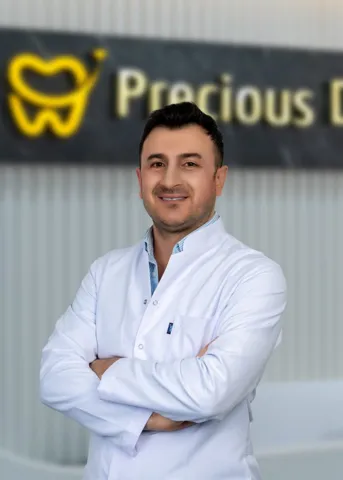 Medically reviewed by Dt. Hüseyin Yavuz Özbek, dentist (prosthetics and implant surgery) · Updated October 2026
"Turkey teeth" is UK shorthand for smiles that look too white, too big or unnatural after cheap treatment abroad, often full sets of crowns on healthy teeth that patients thought were veneers. Problems are real: in a 2022 BDA survey, 86% of UK dentists had treated patients with problems after treatment abroad. Careful planning, true veneers where possible and a written plan avoid most of it.
What people mean by "Turkey teeth"
The phrase spread through UK social media and the press for a particular look: very white, very even, sometimes bulky teeth that don't quite match the face. Behind many of those smiles were sets of crowns on healthy teeth, often sold as "veneers".
Some people are delighted with their results. Others found out afterwards that much of each tooth had been removed, and that problems such as sensitivity, gum soreness or a failing crown were hard to sort out once they were home.
What UK dentists report
In a 2022 British Dental Association survey reported by Dentistry.co.uk, 94% of UK dentists said they had examined patients who had travelled abroad for dental treatment, and 86% said they had treated patients who developed problems afterwards.
The Oral Health Foundation lists the issues reported after treatment abroad, including infection, ongoing pain, broken or poorly fitting crowns, veneers or bridges, treatment that was more extensive than expected, and difficulty getting follow-up care. It notes that putting things right at home can be expensive.
Why it happens
- Crowns sold as veneers. Healthy teeth filed down all round for "full veneers". See veneers or crowns?
- Too many teeth. Treating 20 or more teeth when the smile only shows a few.
- The wrong shade. The brightest white for everyone, whatever their age or skin tone.
- Rushed planning. Decisions made on the first morning, with no time to think.
- No plan for afterwards. Nothing in writing about what happens if something goes wrong at home.
The NHS lists warning signs before any treatment abroad: a hard sell, a lack of information, and pressure to make a quick decision.
How to avoid it
- Start with the least invasive optionWhitening, bonding or laminate veneers before crowns, for healthy teeth.
- Get the plan in writing, tooth by toothVeneer, crown, bonding or nothing, with the material and price.
- Choose a natural shade and shapeLook at the digital design and ask to see it next to your face.
- Check the clinic and the dentistLicence, the dentist's name and registration, and how complaints are handled. The GDC suggests finding out how dentists are regulated in the country you're visiting.
- Plan for the long termA written guarantee, and a UK dentist for check-ups.
Where we stand
We're a clinic in Antalya and we benefit if you choose us. We'd rather protect a healthy tooth than crown it. We publish our prices, show veneers and crowns separately, and give you a written plan and price before you travel, confirmed at your examination. If veneers aren't right for you, we'll tell you.
Common questions
Is it safe to have veneers in Turkey?
It can be, but standards vary from clinic to clinic, in Turkey as anywhere. GOV.UK notes that the standard of medical facilities varies and that some British nationals have needed further treatment after procedures in Turkey. Check the clinic, the dentist and the written plan before you go.
Why do Turkey teeth look so white?
Usually because a very bright shade was chosen for every tooth, and crowns or thick veneers were made without matching the patient's face, age and skin tone. A natural result uses a shade and shape that suit you.
Can Turkey teeth be fixed?
Often, but it can be costly. A 2022 BDA survey found most UK dentists had seen patients who needed follow-up treatment after care abroad. Prevention, by choosing the right treatment first, is far cheaper.
Do you crown healthy teeth?
We'd rather protect a healthy tooth than crown it. If your teeth are healthy, we'll talk to you about whitening, bonding or laminate veneers first, and write the plan down tooth by tooth.
Sources
- Dentistry.co.uk (16 July 2022) — BDA survey: 94% of dentists had seen patients treated abroad, 86% had treated problems
- Oral Health Foundation — Going abroad for dental treatment (reported problems)
- GOV.UK — Turkey travel advice: health (medical tourism)
- NHS — Treatment abroad checklist (warning signs)
- General Dental Council — Going abroad for dental treatment
Checked October 2026. Where we give our own view as a clinic, we say so.
Not sure what your teeth need?
Send us a few photos of your smile. A dentist looks at them and tells you plainly whether you need veneers, crowns, whitening, bonding, or nothing at all.