Veneers after 50: what changes with age
There is no upper age limit for veneers. But a mouth at 60 is different from a mouth at 30, and a good plan takes that into account from the start.
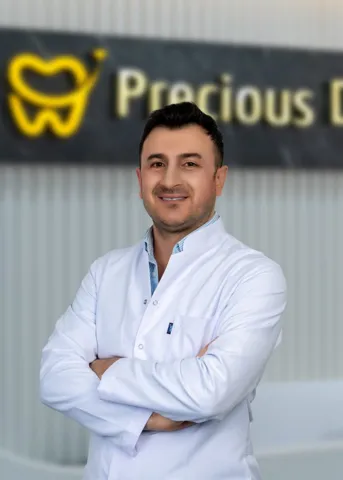 Medically reviewed by Dt. Hüseyin Yavuz Özbek, dentist (prosthetics and implant surgery) · Updated October 2026
Age itself does not rule out veneers. What matters is the health of the teeth and gums. After 50, plans more often have to deal with old fillings and crowns, receding gums, worn edges, dry mouth from medicines, and teeth that have darkened. A good plan treats these first, chooses a shade and shape that suit an older face, and is designed to be easy to clean and maintain for decades.
Many of the people who contact us about veneers are over 50. Many have put off doing something about their smile for years, sometimes decades. They are rarely after a dramatic change. They want to stop hiding their teeth in photos. That is a very achievable goal, and a mouth with some history needs a slightly different plan from a 25-year-old's.
What is usually different after 50
- Old fillings. Front teeth often have white fillings that have darkened or leaked at the edges. Veneers need sound tooth to bond to, so old fillings may need replacing first, or the tooth may suit a crown better.
- Existing crowns and bridges. Crowns do not whiten. If you are lightening your natural teeth, old crowns may stand out and need replacing to match. See veneers next to old crowns and fillings.
- Receding gums. Gums often recede with age, showing more of the root surface, which is darker and more sensitive. This affects where a veneer should end.
- Worn and shorter edges. Years of chewing, and often some grinding, shorten the front teeth. Restoring length is a large part of what makes an older smile look fresher. See worn and chipped teeth.
- Darker teeth. Teeth naturally darken and turn more yellow with age; the NHS lists getting older among the causes of discoloured teeth.
- Dry mouth. Many common medicines reduce saliva. A dry mouth raises the risk of decay at the edges of veneers and crowns.
- Missing back teeth. Without back teeth to share the load, the front teeth, and any veneers on them, take more force.
Gums come first
Gum disease is common in older adults and often painless. The NHS lists bleeding when brushing, bad breath, receding gums and loose teeth among its signs. Veneers on inflamed gums do not sit well: the margins can end up in the wrong place once the gums settle, and the gum line can look red and puffy around new teeth. A hygienist visit and, if needed, gum treatment before the trip is one of the best investments you can make in the result. Our article on veneers and your gums explains why.
Tell the dentist about every medicine
Bring a written list of everything you take, including over-the-counter medicines and supplements. A few examples of why it matters:
- Blood thinners can make gums bleed more during preparation; usually this is managed without stopping them, but the dentist needs to know.
- Medicines that dry the mouth, including some for blood pressure, depression and bladder problems, raise the risk of decay around veneers. Extra fluoride and more frequent check-ups may be advised.
- Osteoporosis treatments matter if any extractions or surgery are part of the plan.
- Diabetes affects gum health and healing.
The NHS advises discussing treatment abroad with your own doctor or dentist first. That is particularly worthwhile if you have several health conditions.
Choosing a shade that suits an older face
Very bright, uniform veneers can look striking on a younger face. On an older face they can draw attention to themselves. A bright natural shade, with some translucency at the edges and slightly softer shapes, often looks more like "you on a good day". Skin tone, the whites of the eyes and the colour of any teeth you are keeping all play a part. See veneer shades explained.
Shape and length
As the upper lip relaxes with age, less of the upper teeth shows. Restoring some lost length to the front teeth is often what makes the biggest visible difference. But adding too much changes speech and the bite. A mock-up in the mouth, where you can see and hear the new length, is the safest way to decide. Our guide to smile design covers this.
Designing for easy care
A smile you will live with for 20 or 30 years should be easy to clean. Ask for margins (the edges of the veneers) that are smooth and accessible, contacts between teeth that floss or interdental brushes can pass through, and a shape that does not trap food at the gum. If dexterity is or may become a problem, an electric toothbrush and interdental brushes with handles make daily care easier. Our veneer care guide has the routine.
How long will they last?
Research on porcelain laminate veneers is encouraging. A review of 25 studies covering about 6,500 veneers estimated that 95.5% were still in place after 10 years (Alenezi et al., 2021). For someone starting at 55 or 60, that means a well-made set may well last for decades, especially with check-ups and a night guard if needed. Small problems, such as a chip or a veneer coming loose, are usually repairable. See how long veneers last.
When veneers are not the best answer
Sometimes the honest advice for an older mouth is that veneers are not the first priority. If several back teeth are missing, the front teeth are carrying too much load, and replacing the back teeth, with implants, a bridge or a denture, may matter more for both comfort and the life of any veneers. If gum disease has loosened teeth, they may not be good foundations. And if the main complaint is colour, whitening and a few bonded repairs may give most of the benefit for a fraction of the cost. A good dentist will put these options on the table before veneers.
Practical points for the trip
- Ask for appointments that suit you: mornings if you tire later in the day, or breaks in long sessions.
- Bring your medicines in their original packaging, with a list.
- Tell the clinic if you need help with steps or walking distances, or if you would like a companion with you in appointments.
- Allow a rest day after preparation rather than packing in sightseeing.
- Get travel insurance that knows about your health conditions and the purpose of the trip.
Planning for the next 20 years
It is worth asking how the plan will age with you. What happens if a gum recedes and a margin shows? Can a single veneer be replaced later and still match? Will the dentist at home be able to repair a chip with composite? Clinics that think about these questions tend to design simpler, more maintainable smiles: fewer crowns, cleaner margins, and shades that will not look out of place next to natural teeth that keep slowly changing colour. Keep a copy of your records, including the shade and material, so any future dentist can match the work. Our article on replacing old veneers explains what happens when a veneer reaches the end of its life.
Questions to ask
- Are my gums healthy enough for veneers now?
- Which old fillings or crowns need replacing, and why?
- How will you deal with the areas where my gums have receded?
- Do any of my medicines change the plan or the aftercare?
- Will the shade and shape suit my age, and can I see a mock-up?
At Precious Dental many of our veneer patients are over 50, and we plan with old fillings, gums and medicines in mind. Send us photos and a list of your medicines with your enquiry, and we will tell you honestly what we think your teeth need. Read why we think we are the best place for veneers.
Common questions
Am I too old for veneers?
No. There is no age limit. Healthy gums, enough sound tooth and a realistic plan matter far more than your age.
Will veneers make me look younger?
Brighter, rebuilt teeth can freshen a smile. A shade and shape that suit your face look better than the brightest possible white.
Do I need to tell the dentist about my medicines?
Yes, all of them. Some cause dry mouth, some affect bleeding, and some, such as certain osteoporosis treatments, matter for any surgery.
What if I already have crowns?
Existing crowns may need replacing so the colours match, because crowns cannot be whitened. The plan should explain which ones and why.
How long will veneers last at my age?
Studies of porcelain veneers report about 95% still in place after 10 years. For many people over 50, a well-made set can last for the rest of their life with maintenance.
Sources
- NHS: gum disease
- NHS: teeth whitening (teeth darken with age; does not change crowns)
- NHS: treatment abroad checklist
- Alenezi A et al. (2021) Long-term survival and complication rates of porcelain laminate veneers. J Clin Med
- Oral Health Foundation: veneers (healthy teeth and gums matter)
Checked October 2026. Where we give our own view as a clinic, we say so.
Not sure what your teeth need?
Send us a few photos of your smile. A dentist looks at them and tells you plainly whether you need veneers, crowns, whitening, bonding, or nothing at all.